

Hyperpigmentation
Hyperpigmentation is rarely simple — it sits at different depths of the skin. We work with it gradually, restoring a clearer, more even tone.
What are the main causes of hyperpigmentation?
Hyperpigmentation is the darkening of certain areas of skin, most often related to increased production or accumulation of melanin. It can appear as spots or larger areas that differ in color from the surrounding skin. Hyperpigmentation is not a single specific disease in itself, but a change in pigmentation that can occur under the influence of various factors: ultraviolet and visible light, hormonal changes, inflammation, acne, skin injury, or certain cosmetic procedures. For appropriate treatment, it's important first to determine the type, cause, and depth of the pigment, since different forms of hyperpigmentation require different approaches.
What are the most common types of hyperpigmentation?
- Melasma
Melasma is a chronic, acquired pigmentation disorder that most often presents as symmetrical brown or gray-brown patches on the face. It is often associated with a combination of genetic predisposition, sun exposure, and hormonal factors. Melasma can appear or become more pronounced during pregnancy or with the use of certain hormonal medications or contraceptives. Pigmentation most commonly occurs on the cheeks, forehead, bridge of the nose, upper lip, and chin.
- Solar Lentigines
Solar lentigines, commonly known as sunspots, form primarily as a result of cumulative ultraviolet exposure. They tend to appear on areas regularly exposed to the sun: the face, hands, décolletage, and shoulders. Unlike melasma, solar lentigines are localized pigmented lesions and can respond well to properly selected light-based and laser treatments.
- Post-Inflammatory Hyperpigmentation (PIH)
Post-inflammatory hyperpigmentation occurs following inflammation or skin injury. It can appear after acne, eczema, dermatitis, trauma, burns, skin scratching, and certain cosmetic or laser procedures. PIH can occur with any skin phototype, but it develops more frequently in patients with darker skin, where it may be more pronounced and persist considerably longer. The treatment plan always depends not only on the type of pigmentation, but also on its depth, the patient's skin phototype, the underlying cause, and the patient's individual tendency toward post-inflammatory hyperpigmentation.
Hyperpigmentation in patients with darker skin phototypes
Treating hyperpigmentation in skin with a higher melanin content requires a particularly cautious approach. Darker phototypes are more prone to developing post-inflammatory hyperpigmentation after acne, irritation, injury, or overly aggressive procedures. For this reason, the parameters of laser and light-based treatment, the depth and composition of chemical peels, and home therapy must all be selected individually. Treatment that is too aggressive can trigger additional inflammation and, rather than lightening the pigmentation, make it more pronounced. This risk is especially important to consider when treating patients with Fitzpatrick phototypes III–VI.
How we treat it
We treat pigmentation on multiple levels — both epidermal and dermal — combining technologies for safe, effective results. Our protocols are designed to:
- Reduce visible pigmentation
- Regulate melanin production
- Improve overall skin tone
- Prevent recurrence
We focus on long-term skin health, not just temporary correction.
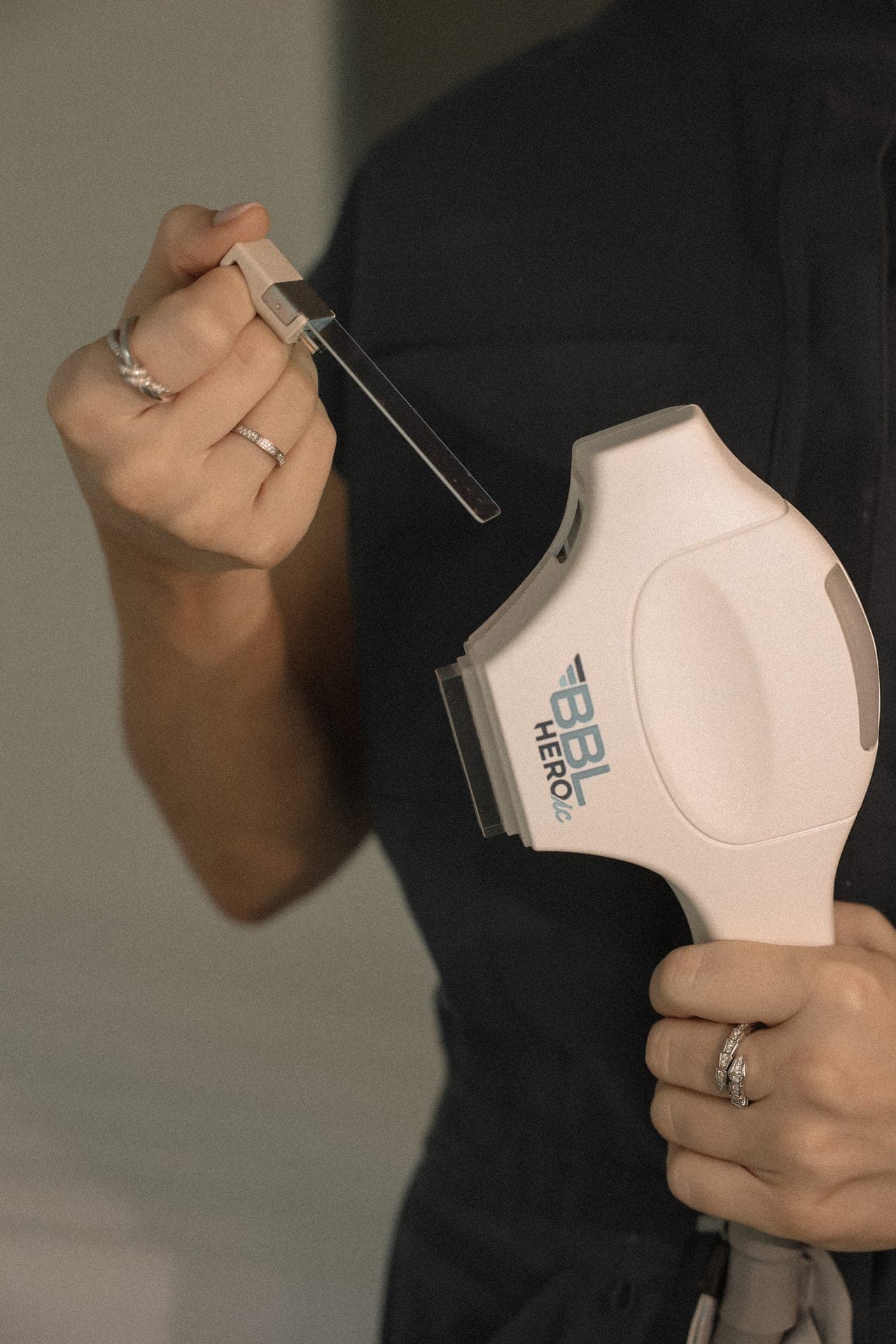
BBL® Forever Young
a leading solution for hyperpigmentation, improving uneven tone and reducing sun damage
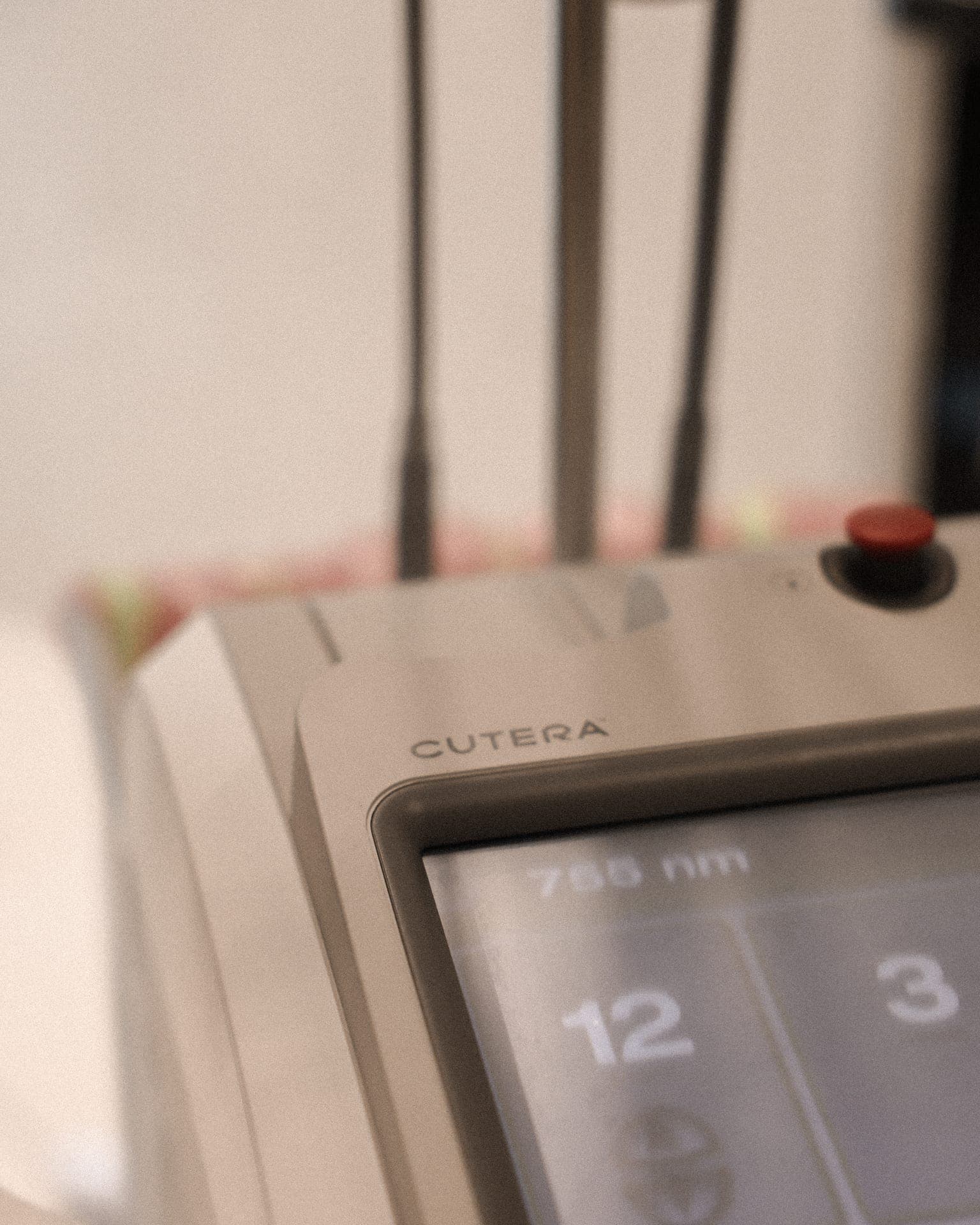
Cutera excel® HR
precise laser pigmentation removal, targeting both pigment and vascular components
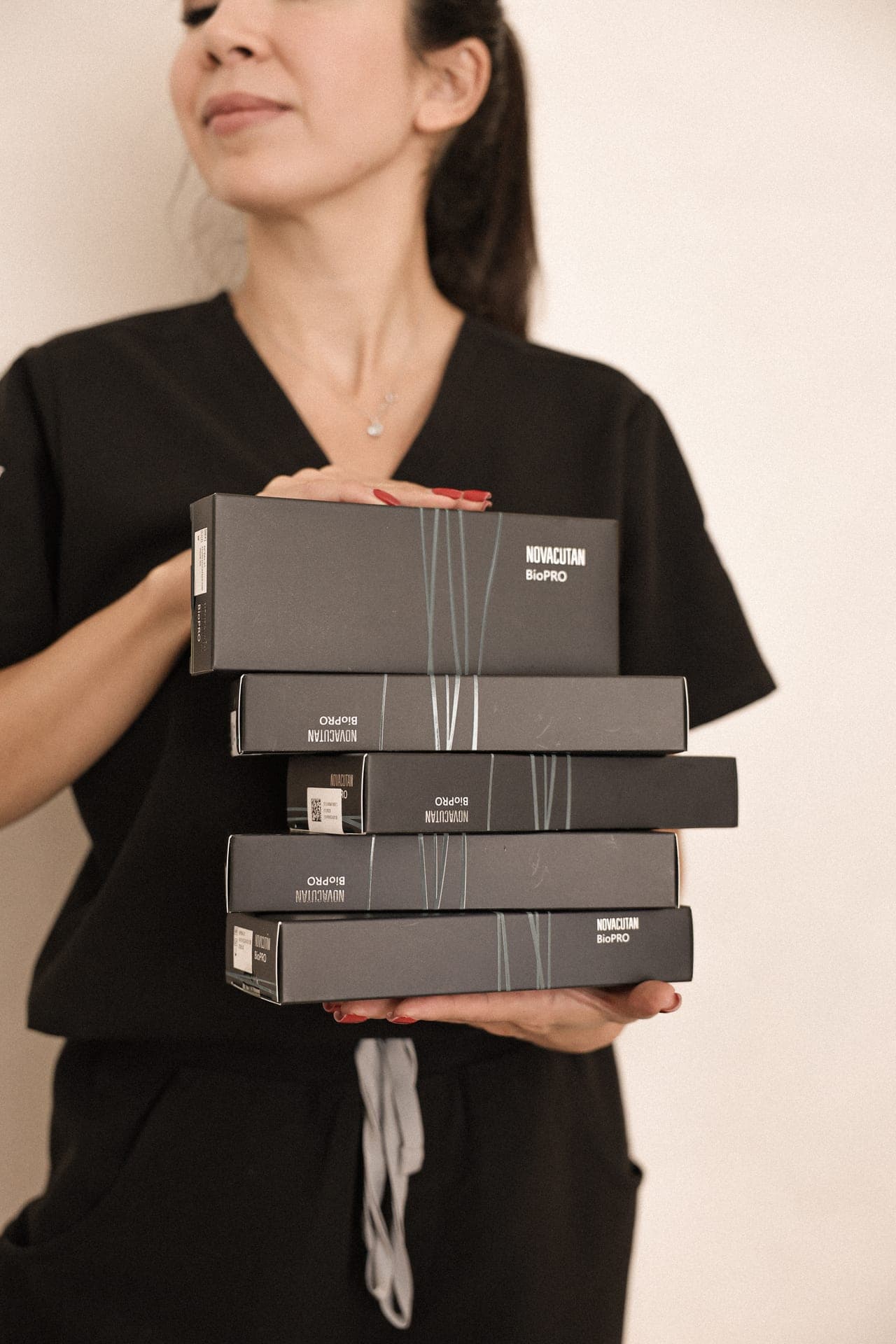
Biorevitalization (Novacutan)
restores hydration and improves skin resilience
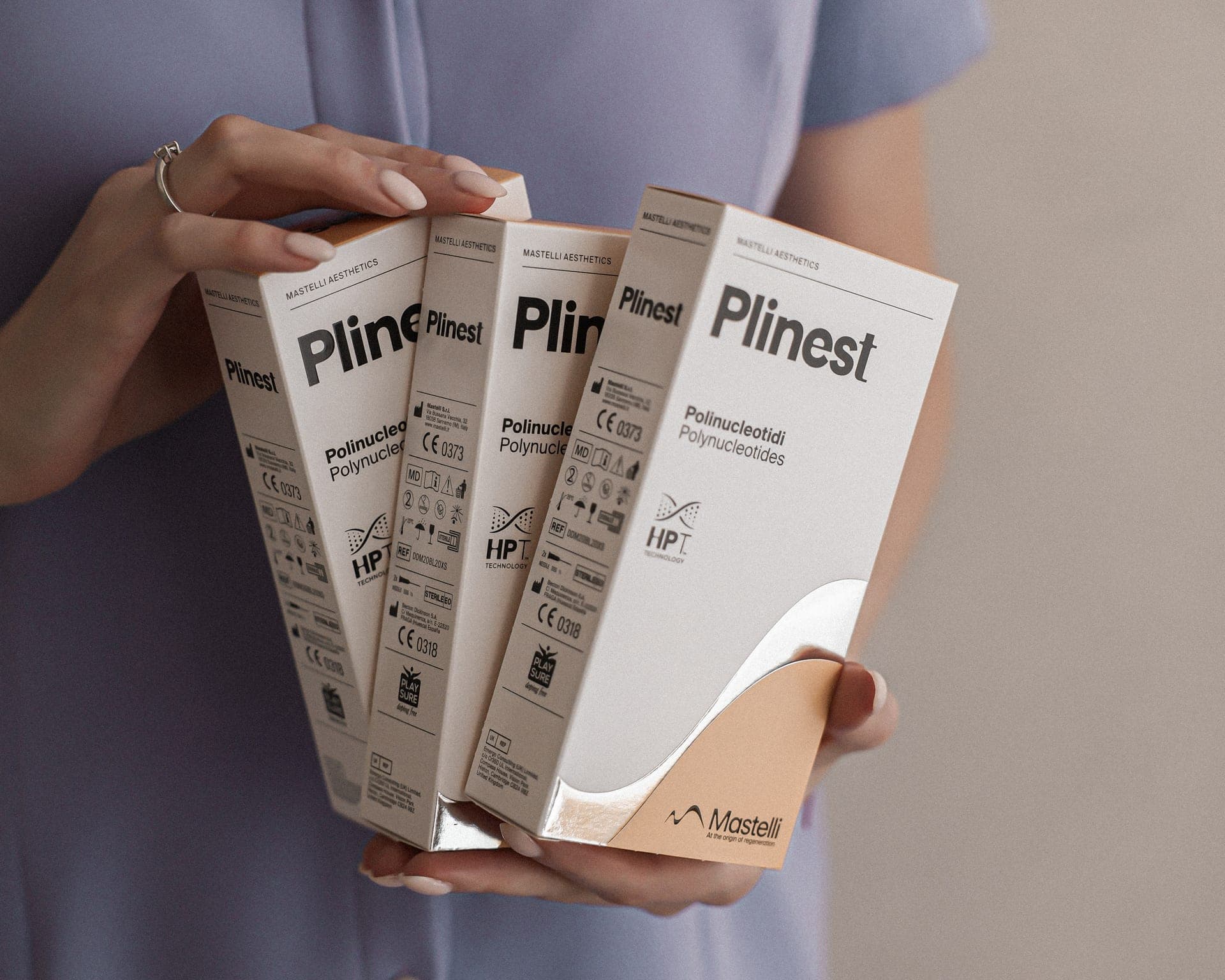
Plinest Fast
accelerates regeneration and skin repair
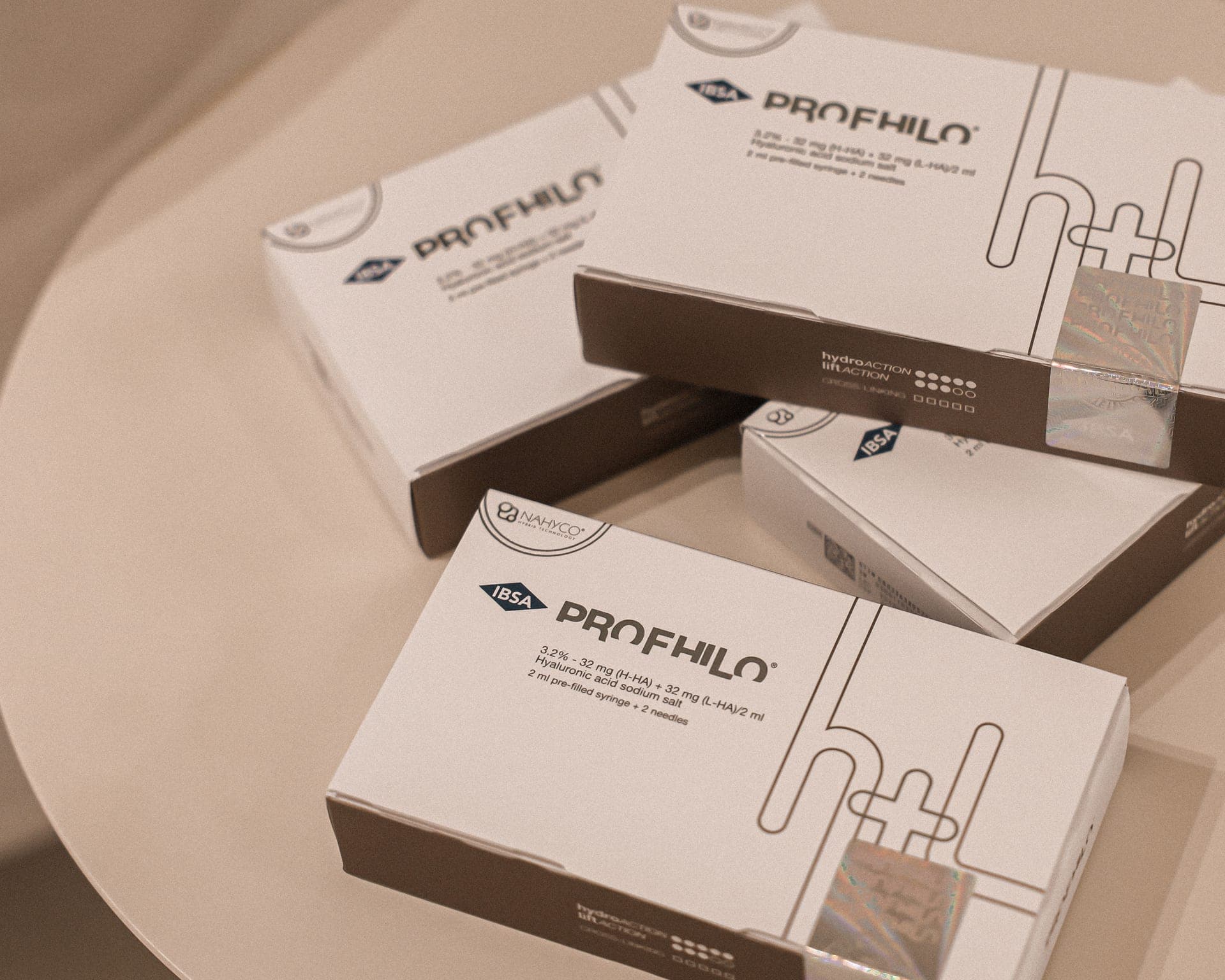
Profhilo®
enhances skin quality, elasticity and density
Together, these let us treat pigmentation safely, with predictable, lasting results.
A medical approach to hyperpigmentation
Pigmentation is not only a surface concern — it reflects a disorder of melanin production.
Topical products alone are often not enough, especially in a high-UV environment. Without proper treatment, pigmentation tends to return.
That is why we combine laser pigmentation removal, phototherapy and regenerative treatments to achieve long-term stability.
What products and procedures are used for hyperpigmentation?
Treating hyperpigmentation usually involves not a single method, but a combination of home therapy, photoprotection, and, where necessary, professional procedures.
- Tranexamic Acid.
Tranexamic acid was originally used in medicine as an antifibrinolytic agent to reduce bleeding. It was later found also to influence certain mechanisms of melanogenesis. Today, tranexamic acid is used in dermatology, particularly in the treatment of melasma. It can be applied topically, and in certain cases a physician may prescribe it orally. Oral (systemic) tranexamic acid is used for melasma off-label and requires medical evaluation of contraindications and risk factors before prescribing.
- Kojic Acid.
Kojic acid inhibits the activity of tyrosinase, an enzyme involved in melanin synthesis. It is included in certain products for correcting pigmentation and can gradually help even out skin tone. However, like other active ingredients, kojic acid can irritate sensitive skin, so concentration and frequency of use matter.
- Other Topical Products.
Depending on the type of hyperpigmentation, a physician may recommend azelaic acid, retinoids, hydroquinone, or other depigmenting ingredients. The treatment regimen is selected individually, since a product effective for melasma is not necessarily optimal for post-inflammatory hyperpigmentation or solar lentigines.
- Chemical Peels.
Chemical peels create a controlled effect on the superficial layers of the skin and can be used to correct certain types of epidermal hyperpigmentation. The depth of the peel and the acids used must be selected based on the patient's phototype and type of pigmentation. In patients prone to PIH, an overly intensive peel can, conversely, worsen pigmentation.
- BBL and Light-Based.
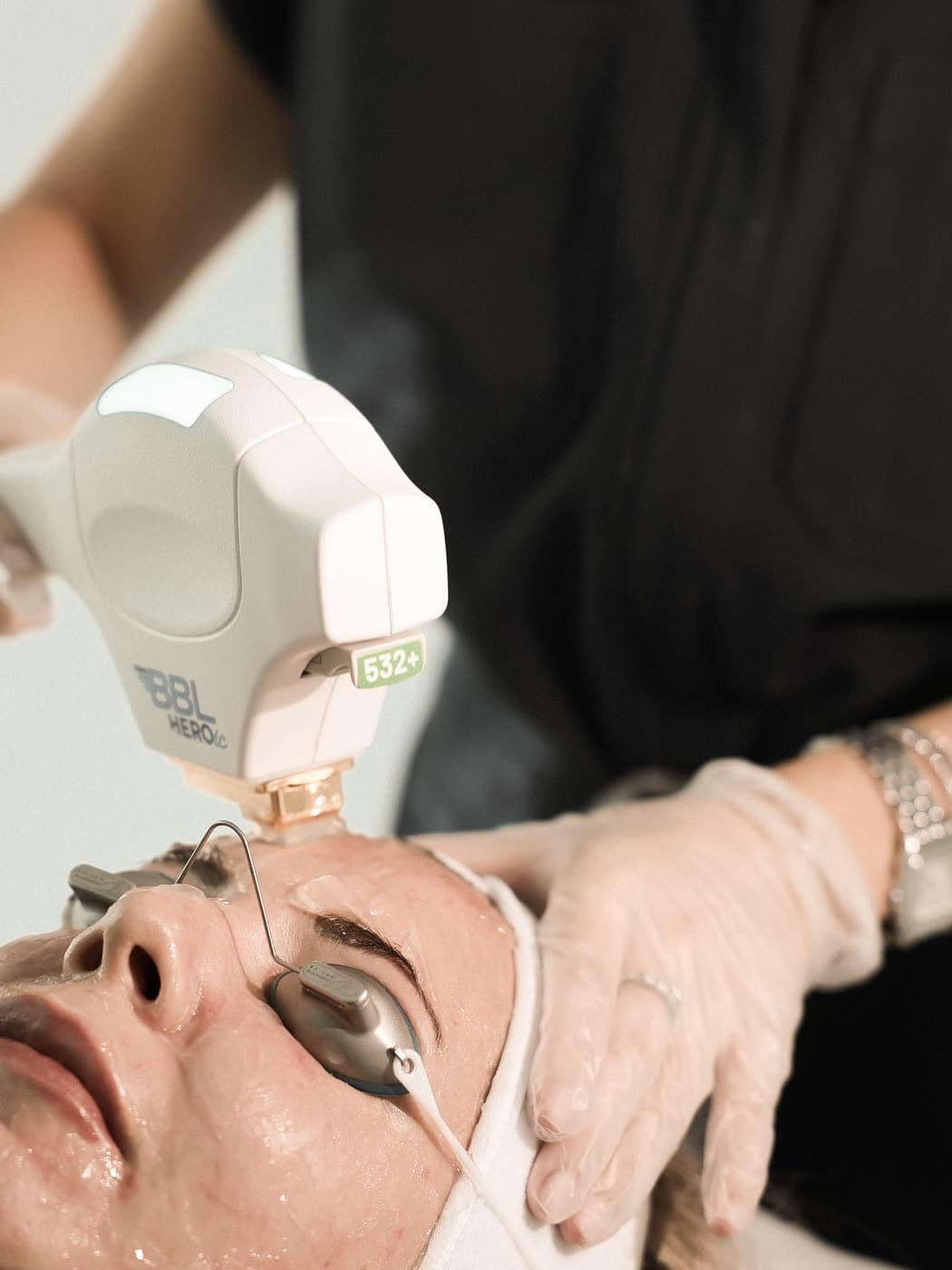
Technologies BBL® (BroadBand Light) is a broadband light technology, not a laser. BBL can be used to correct certain types of superficial pigmentation, including solar lentigines and signs of photodamage. Light energy targets pigmented structures in the skin, but the procedure's parameters must be selected individually based on the patient's phototype and the type and depth of the pigment. For melasma and a tendency toward post-inflammatory hyperpigmentation, light-based procedures require a particularly cautious approach.
- Laser Treatment of Hyperpigmentation.
Pigment-selective lasers and other laser systems can be used to treat certain types of pigmentation. The choice of technology depends on whether the pigment is located predominantly in the epidermis or deeper in the dermis, as well as the patient's phototype and diagnosis. For solar lentigines, laser and light-based methods can produce good results. For melasma and PIH, treatment is more complex: incorrectly selected energy settings or overly aggressive treatment can trigger increased pigmentation. For this reason, laser treatment of hyperpigmentation should only be performed after a physician's skin assessment and with individually selected parameters.
Treatments we use for Hyperpigmentation
Conditions we treat
We provide treatment for:
"I had a really great experience with the PearlSkin Polyclinic. The atmosphere is very comfortable, and everything feels calm and professional. I would especially like to thank Dr. Alina. She is very delicate in her work, attentive to details and truly professional. At the same time, she is very easy to talk to which makes you feel relaxed and confident throughout the whole process. The staff are also wonderful — very polite, helpful and friendly. They create such a positive and welcoming environment. I really appreciate this approach , both to the work and to people. I’m glad visiting this place and can definitely recommend it."

"I had a very positive experience at this cosmetology clinic. Before the Morpheus procedure, the doctors carefully prepared my skin. First, I completed a course of biorevitalization and PRP therapy. I also had laser hair removal at the clinic. I am very satisfied with the results and the overall service. The staff are very kind, attentive, and professional. From the first visit I felt comfortable and well taken care of. The clinic has a very pleasant atmosphere and the team clearly knows their work. I would especially like to thank Dr. Alina. She is very kind, caring, and attentive to her patients. She explains everything clearly and makes you feel calm and confident during the procedures. I highly recommend this clinic to anyone looking for professional cosmetic treatments and excellent service."

"I had an amazing experience with Dr. Alina. I recently did a facial and PRP treatment, and I couldn’t be happier with the results. She was professional, knowledgeable, and took the time to explain the entire process, making me feel comfortable and confident throughout the treatment. The clinic was clean and welcoming, and the care I received was exceptional. My skin already looks healthier, more radiant, and refreshed. I highly recommend Dr. Alina to anyone looking for high-quality aesthetic treatments and a doctor who genuinely cares about her patients."

"I highly recommend Pearl Skin Polyclinic💜 Dr. Alina is an excellent specialist — I have had facial cleansing and biorevitalization treatments with her, and I’m always very happy with the results. She is professional, attentive, and makes every procedure comfortable. I would also like to thank Sara, who is an incredible specialist. I have been doing Endospheres therapy with her, and her expertise, care, and attention to detail are outstanding. The entire team is professional, friendly, and welcoming. Thank you for the excellent service and care!"

"I haven’t been to a facial clinic in a long time bc it’s so hard to know which are good in Dubai, but glad I found Pearl Skin! The clinic is so aesthetic and clean. The staff were all so professional from the receptionist to the doctor and you can tell they are very knowledgeable. They prescribed a full treatment course to treat my concerns and first session went great! Can’t wait to finish my course of treatment 💘"

Not sure where to start?
Book a consultation or receive a personalised skin assessment with our DHA-licensed specialists.
Frequently asked
The cost of pigmentation treatment will vary between clinics, depending on factors such as the extent of the condition, the number of sessions needed, and the technologies employed. At our clinic, pricing for treating hyperpigmentation is determined after an in-depth consultation that takes into account your skin type, the depth of pigmentation, and how different tones respond to laser therapy, chemical peels, or both. Depending on their severity, treating small, superficial pigmentation issues typically costs less than treating deeper or more extensive pigmentation issues; larger areas often necessitate multiple sessions and may require multiple consultation sessions as well. Our pricing page lists treatment ranges; however, your individual plan will always be customized to your unique situation, not sold as a single fixed package.
Skin pigmentation can often be reduced significantly and, in many instances, completely cleared; the success of treatment ultimately depends on the cause and type. Sunspots and post-inflammatory marks that remain close to the surface usually respond very favorably to treatments that can effectively fade them. At the same time, due to hormonal influences, melasma tends to return more often and requires periodic maintenance sessions for best results. New pigmentation on the skin may arise at any time when sun exposure and other triggers are not effectively managed, making long-term success dependent upon both sun protection and the procedure. When treating darker skin tones, however, treatment must be handled carefully, as aggressive settings could trigger another round of pigment change instead of clearing it.
Hyperpigmentation rarely has just one cause. Among the most significant factors are ultraviolet radiation and visible light. Hormonal changes also play an important role, especially in melasma. Pigmentation can appear after acne, eczema, inflammation, injury, and cosmetic procedures. Certain medications and irritating skincare products can also trigger or worsen changes in skin color.
In Dubai, skin is exposed to intense sunlight almost year-round. For patients with melasma and a tendency toward hyperpigmentation, visible light matters just as much as UV rays. This is why daily photoprotection is one of the core components of both treatment and prevention of recurring pigmentation. A broad-spectrum SPF of 30 or higher is recommended. For melasma and a tendency toward hyperpigmentation, tinted sunscreens containing iron oxides can be especially beneficial, as they provide additional protection against visible light. Heat can also be an additional trigger for some patients with melasma; however, the primary proven factors are sunlight, visible light, hormonal factors, and individual predisposition.
Hyperpigmentation can have different mechanisms and varying depths of pigment, so a single product or procedure is often not enough. Depending on the diagnosis, a treatment program may combine photoprotection, home therapy, chemical peels, BBL, laser technologies, and other professional methods. The main goal is not simply to lighten existing pigment, but also to identify and control the factors that stimulate its recurrence.
