

PRP Therapy in Dubai
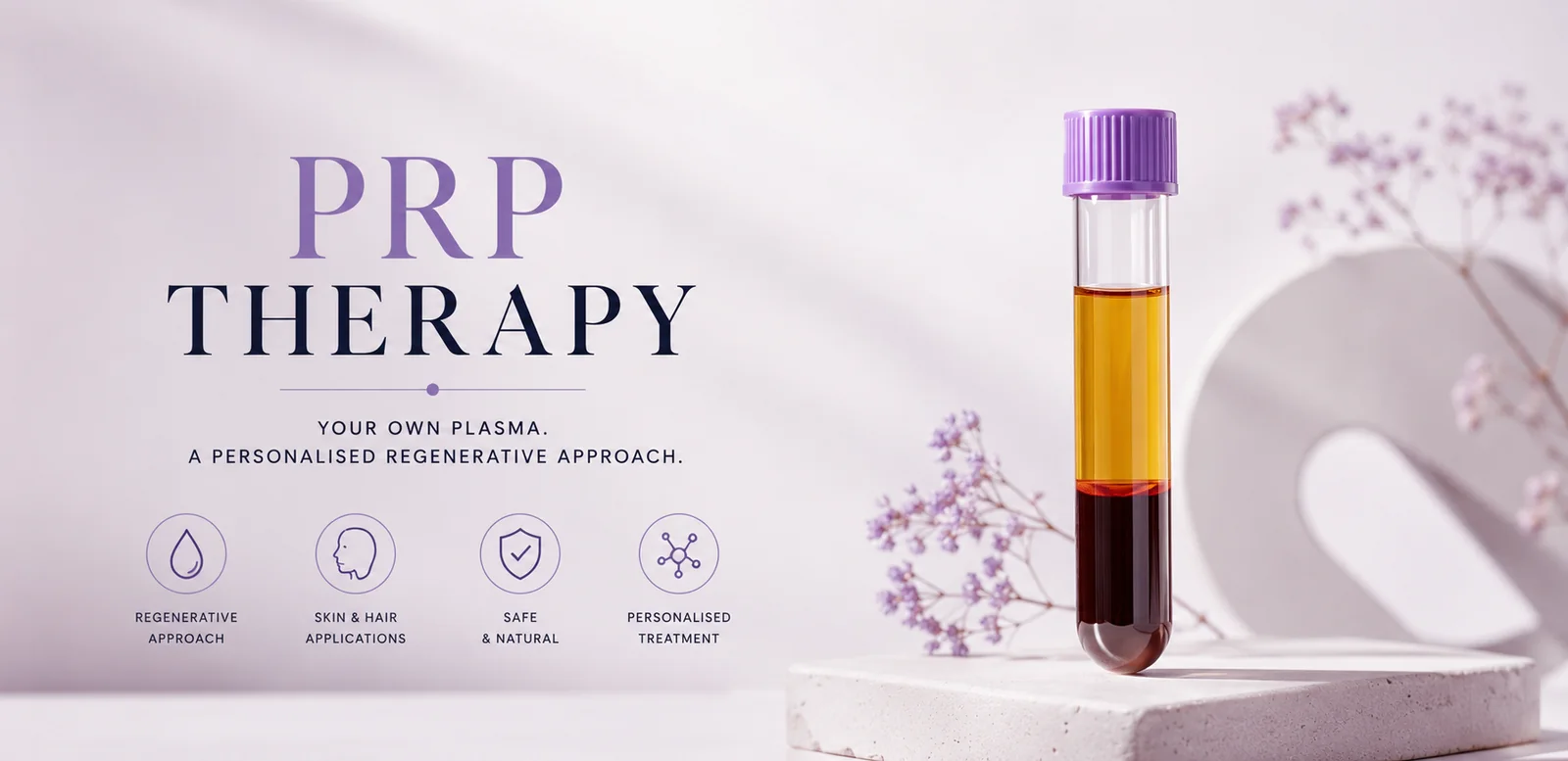
Your own plasma. A personalised regenerative approach.
PRP (Platelet-Rich Plasma) therapy is a regenerative treatment prepared from a small sample of the patient’s own blood.
- Your own plasma
- Doctor-led assessment
- Personalised plan
- 30 to 60 minutes
Who Is PRP For?
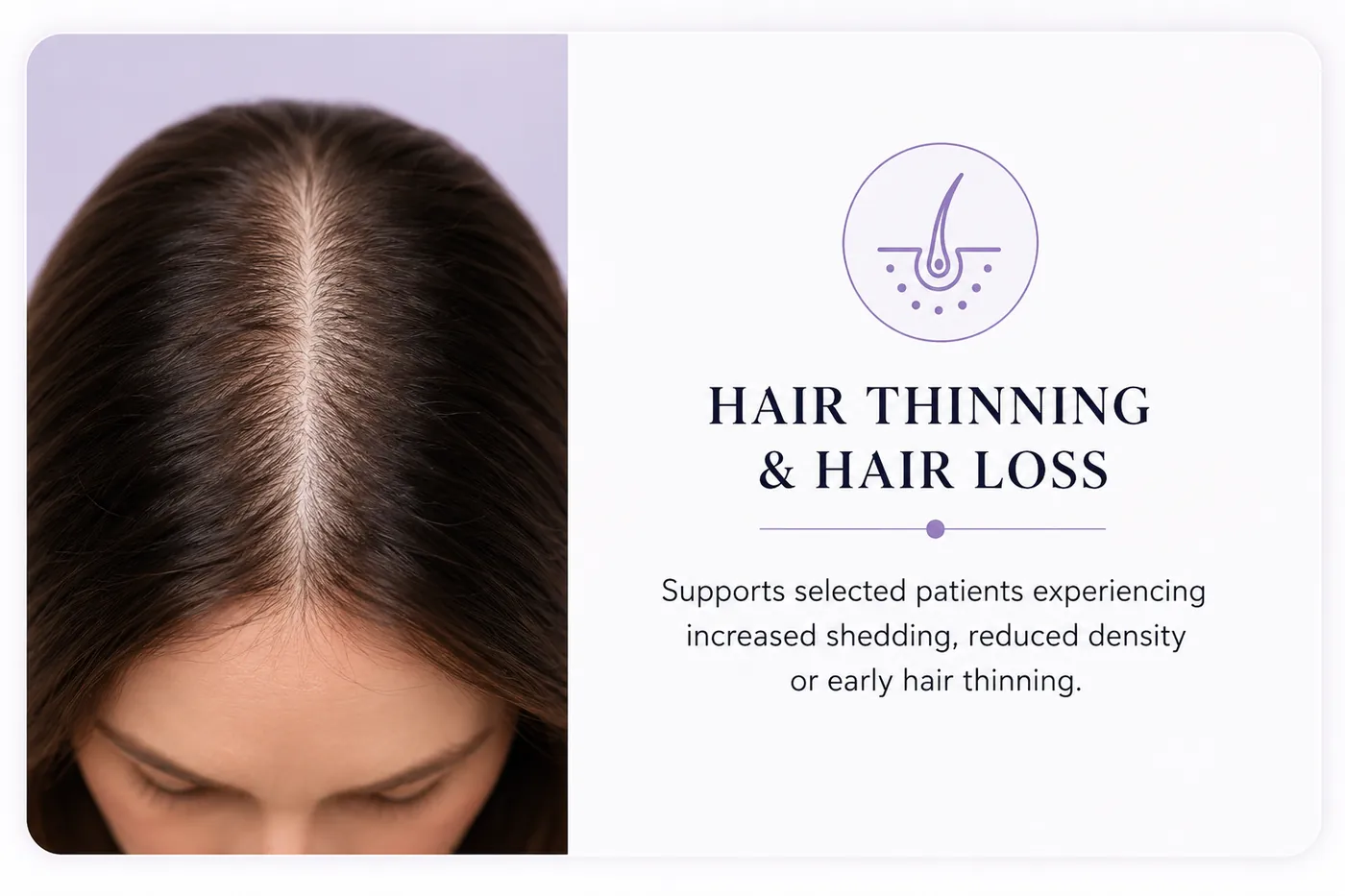
Hair Loss
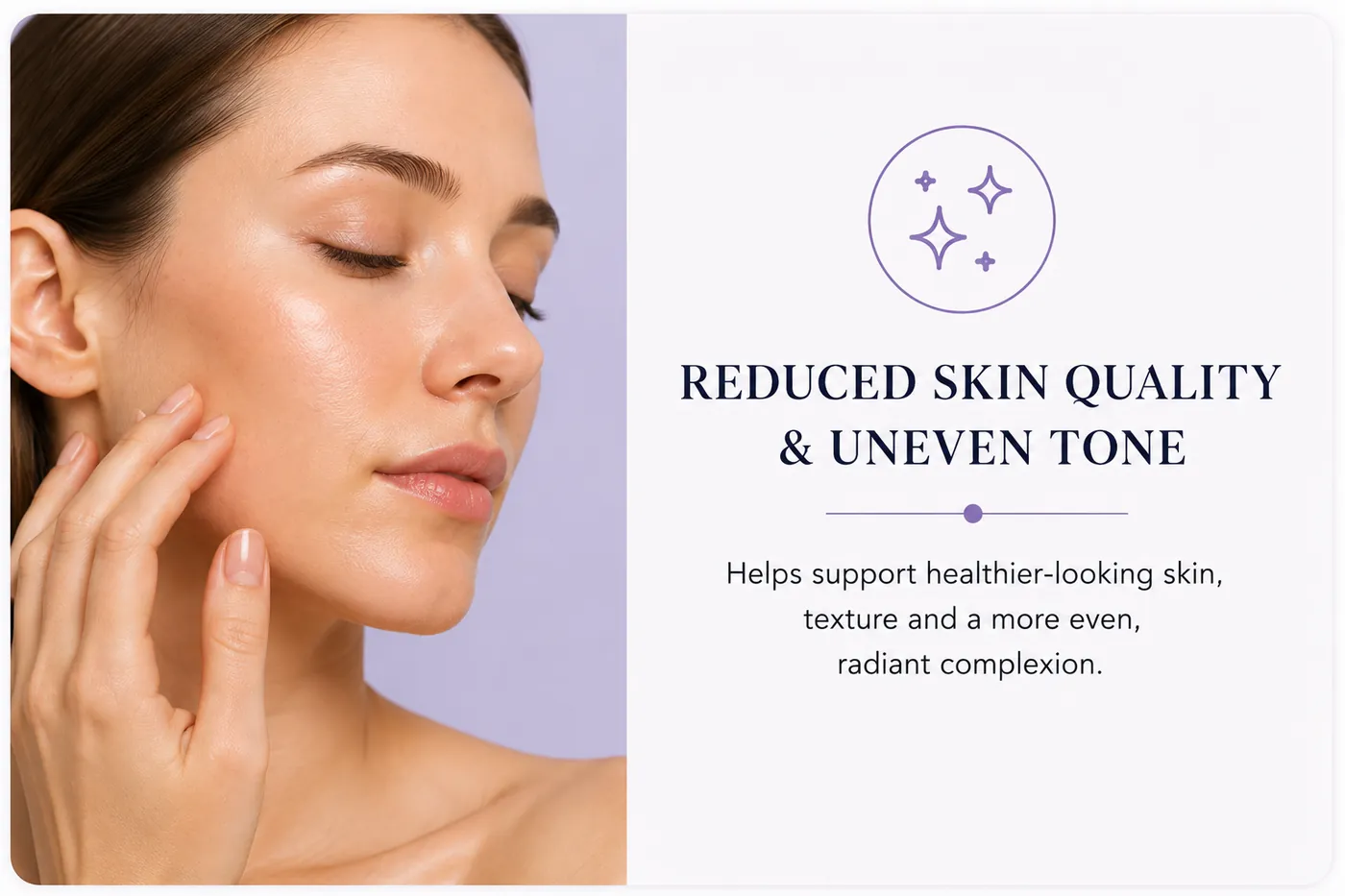
Skin Quality
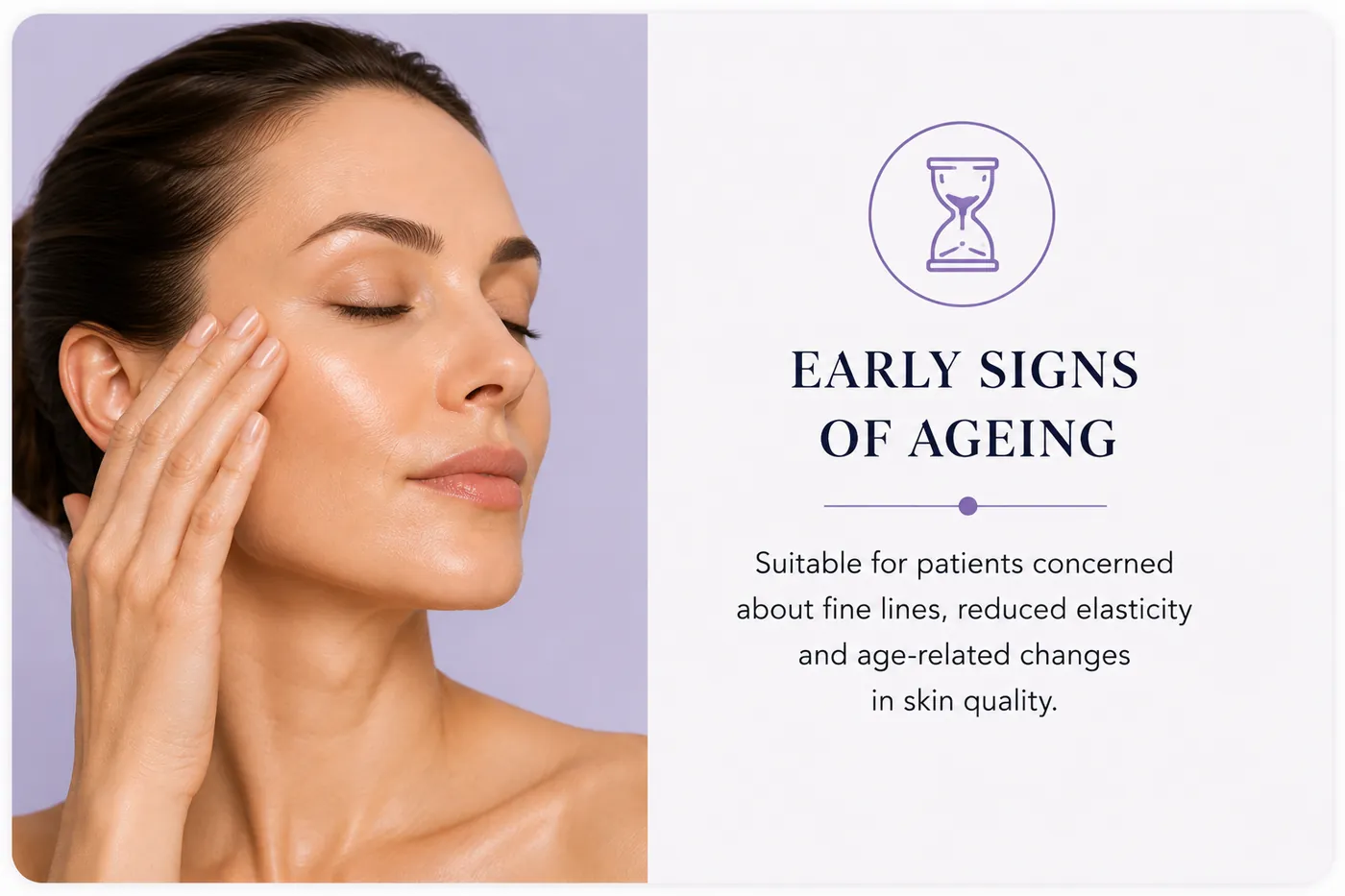
Ageing
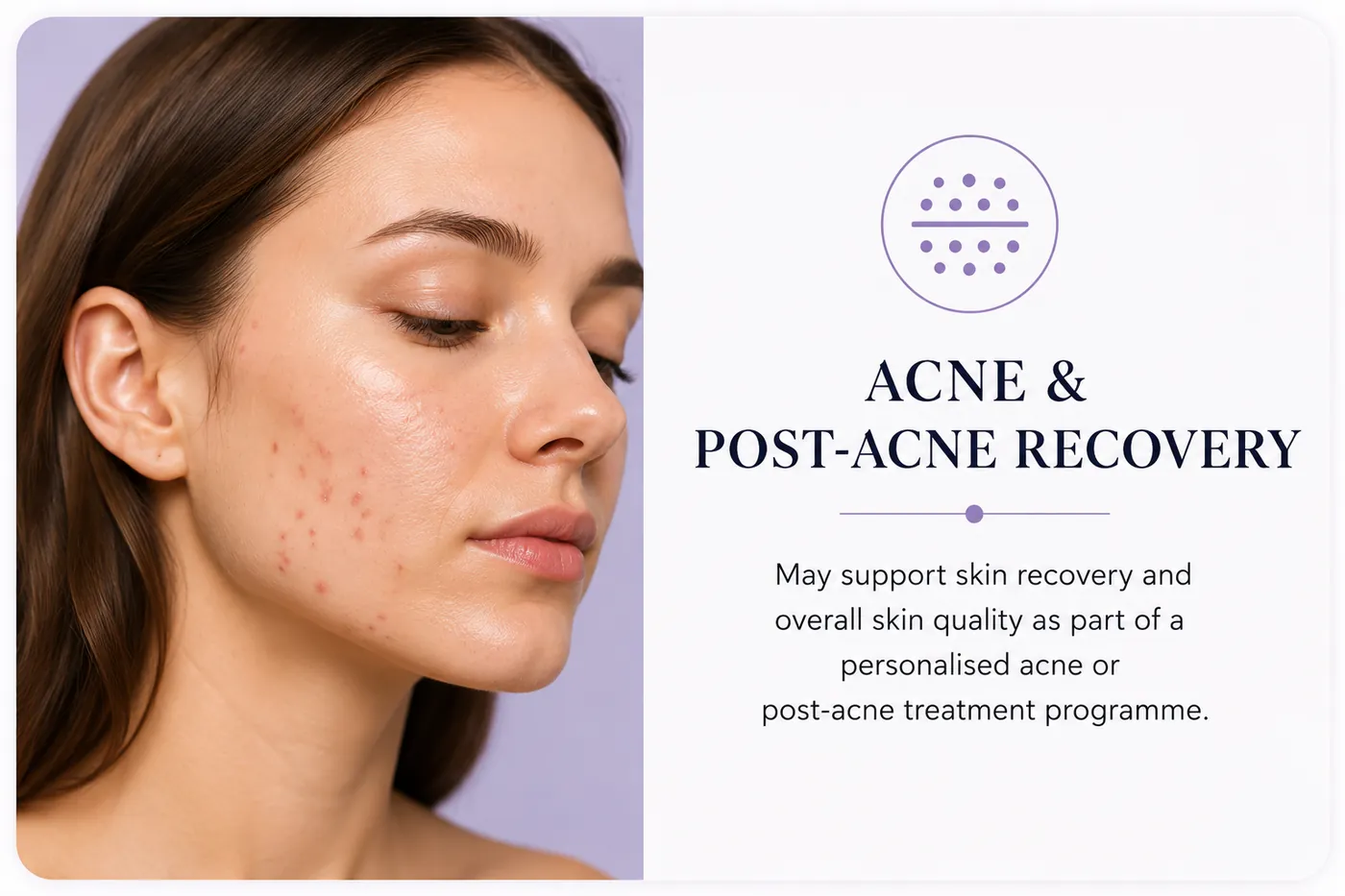
Acne Scarring
Why PRP?
- YOUR OWN PLASMAPrepared from a sample of your own blood.
- REGENERATIVE APPROACHSupports the body's natural tissue-repair and regenerative processes.
- SKIN & HAIR APPLICATIONSCan be used for both skin and scalp concerns.
- PERSONALISED TREATMENTProtocol, areas and sessions are tailored to your individual needs.
About this treatment
- Preparation
- a small sample of the patient's own blood
- Areas
- Hair Thinning • Skin Quality • Post-Acne Recovery • Early Ageing
- Treatment time
- 30–60 MINUTES
- Sessions
- no universal PRP protocol for every patient
How Does PRP Work?
- 01
BLOOD COLLECTION
A small sample of the patient's own blood is collected.
- 02
CENTRIFUGATION
The blood is processed in a centrifuge to separate and prepare the platelet-rich plasma fraction.
- 03
PRP PREPARATION
The selected plasma fraction is prepared for treatment.
- 04
TARGETED TREATMENT
PRP is administered into selected areas of the skin or scalp according to the indication.
- 05
REGENERATIVE RESPONSE
Platelets release signalling molecules and growth factors involved in tissue repair and regenerative processes.
Blood Sample → Centrifugation → Platelet-Rich Plasma → Targeted Treatment → Regenerative Response
PRP Treatment Areas
PRP for Hair vs PRP for Skin
- PRP FOR HAIRPrimary goals: Hair Thinning • Reduced Density • Increased Shedding • Scalp & Follicular Support Hair results require time and are assessed progressively over a longer treatment course.
- PRP FOR SKINPrimary goals: Skin Quality • Texture • Fine Lines • Post-Acne Recovery • Radiance Skin changes develop gradually as regenerative processes occur.
Same autologous treatment — different indication, technique and treatment plan.
PRP Aftercare & Recovery
- FIRST 24–48 HOURS
- Depending on the treatment area, you may be advised to avoid: Intense Exercise • Sauna & Steam Rooms • Excessive Heat • Swimming • Aggressive Skincare
- For facial PRP, strong acids, retinoids and exfoliation may need to be temporarily paused.
Possible Side Effects & Considerations
Temporary treatment-related reactions may include: Redness • Swelling • Tenderness • Bruising • Small Injection Marks • Scalp or Skin Sensitivity
Because PRP requires blood collection and injection, medical history, medications and relevant contraindications should be reviewed before treatment.
Individual risks and expected recovery are discussed during consultation.
Read more about PRP therapy
Why PRP, in full
Autologous Treatment. PRP is prepared from a sample of the patient's own blood.
Regenerative Approach. Designed to support natural tissue-repair and regenerative processes.
Skin & Hair Applications. Can be incorporated into personalised programmes for both skin and scalp concerns.
Skin Quality Support. May support texture, radiance and overall skin appearance.
Hair & Scalp Support. Used in selected patients with hair thinning or reduced hair density.
Combination Treatment. Can be combined with selected dermatological and aesthetic procedures when medically appropriate.
PRP (Platelet-Rich Plasma) therapy is a regenerative treatment prepared from a small sample of the patient’s own blood.
The blood is processed to concentrate the platelet-rich plasma fraction, which is then administered into selected areas of the scalp or skin according to the treatment indication.
At Pearl Skin Polyclinic in Dubai, PRP is used within personalised programmes for hair thinning, reduced hair density, skin quality, post-acne recovery and selected age-related skin changes.
Your own plasma. A personalised regenerative approach.
Who Is PRP For?
PRP therapy may be suitable for selected patients looking for a regenerative approach to hair or skin concerns.
- HAIR THINNING & HAIR LOSSFor selected patients experiencing increased shedding, reduced hair density or early hair thinning.
- ACNE & POST-ACNE RECOVERYMay complement personalised programmes focused on post-acne recovery and overall skin quality.
- DULL OR REDUCED SKIN QUALITYSupports texture, radiance and healthier-looking skin.
- EARLY SIGNS OF AGEINGFor patients concerned about fine lines, reduced elasticity and age-related changes in skin quality.
- UNEVEN SKIN TONEMay be incorporated into selected programmes for post-inflammatory changes and uneven-looking skin.
- PREVENTIVE SKIN REGENERATIONFor patients looking to support skin quality before more pronounced age-related changes develop.
PRP is not a universal treatment for every type of hair loss, acne or pigmentation. Medical assessment helps determine whether it is appropriate for your concern.
What Happens During PRP Treatment?
30–60 MINUTES
Treatment time depends on the area and individual treatment plan.
BLOOD COLLECTION & PREPARATION
A small blood sample is collected and processed by centrifugation.
TARGETED PRP TREATMENT
Prepared PRP is administered into selected areas of the skin or scalp.
PERSONALISED PROTOCOL
Treatment areas, technique, number of sessions and combination therapies are selected individually.
Your own plasma. A personalised regenerative approach.
PRP Treatment Goals
- HAIR SUPPORTSupports selected hair-loss treatment programmes.
- SKIN REGENERATIONSupports natural regenerative processes.
- POST-ACNE RECOVERYMay complement treatment programmes targeting post-acne skin changes.
- SKIN QUALITYSupports texture and overall skin appearance.
- ANTI-AGEINGTargets selected early age-related skin-quality changes without adding facial volume.
- RADIANCE & TONEMay support a fresher and healthier-looking complexion.
When Will I See Results?
PRP results are progressive — not immediate. PRP is intended to support regenerative processes, so visible changes develop gradually.
- FOR SKINChanges in skin quality, texture and overall appearance may develop progressively over the following weeks.
- FOR HAIRHair treatment requires more time. Changes in shedding, density and hair quality are assessed over a longer period rather than immediately after treatment.
Treatment Course
There is no universal PRP protocol for every patient.
A series of sessions may be recommended depending on: Treatment Indication • Hair or Skin Concern • Severity • Treatment Area • Individual Response • Combination Treatments
For hair concerns, the underlying cause of hair loss should be assessed before determining whether PRP is appropriate.
Maintenance sessions may be considered according to individual response and treatment goals.
PRP Combination Treatments
PRP may be incorporated into a broader personalised treatment programme.
Depending on the indication, this may include selected combinations with: Morpheus8 • HELEO4™ • BBL HEROic™ • Skin-Quality Treatments • Medical Acne Treatment • Other Hair-Loss Treatments
The treatments are not necessarily performed during the same appointment.
The sequence and timing are selected individually.
When PRP May Not Be the Right Treatment
PRP is not appropriate for every skin or hair concern.
Another approach may be required when the primary problem is:
Hair Loss Requiring Further Diagnosis • Significant Facial Volume Loss • Deep Acne Scars • Active Severe Acne • Significant Pigmentation • Vascular Lesions • Significant Skin Laxity
For hair loss in particular, diagnosis is important because shedding or reduced density may have different underlying causes.
PRP should be selected according to the diagnosis — not simply because hair is falling out.
PRP Consultation in Dubai
At Pearl Skin Polyclinic in Dubai, PRP treatment begins with determining what we are trying to treat and whether PRP is appropriate for that indication.
For hair concerns, we assess the pattern of thinning, shedding and relevant factors that may contribute to hair loss.
For skin concerns, we assess skin quality, texture, post-acne changes, ageing pattern and other treatment options.
The PRP protocol is then selected according to the treatment area and individual clinical goal.
The goal is not simply to inject plasma. The goal is to use an autologous regenerative treatment where it has a clear role in the patient's personalised treatment plan.
