
Body Acne Treatment in Dubai
Body acne treatment at Pearl Skin Polyclinic in Umm Al Sheif, Dubai, starts with a medical diagnosis, not with a product. Body acne is a chronic inflammatory skin condition of the hair follicles and sebaceous glands. It most often affects the back, shoulders and upper chest, and it can leave dark marks and scars if it is not treated properly.
Many patients come to us after months of trying over the counter products on their own, with back acne alone or together with facial acne. Our aim is to control active breakouts, reduce inflammation, lower the risk of new breakouts and treat the marks that acne leaves behind.
Treating body acne usually takes time and a combination of approaches. A DHA-licensed dermatologist assesses your skin, confirms that the spots are really acne, and then builds a plan that may include BBL® Forever Clear™ by Sciton, medical home care and, when needed, prescription treatments.
What Is Body Acne?
Acne is a very common skin condition. It develops in the pilosebaceous unit, which is a hair follicle together with its sebaceous gland. The skin of the back and chest has many sebaceous glands, which is why these areas often develop pimples, just like the face.
Body acne can include blackheads and whiteheads (comedones), red bumps (papules), pus-filled spots (pustules) and, in severe acne, deep nodules and painful cysts. Deep lesions most often scar.
The most common areas are the upper back, shoulders, upper chest and the back of the upper arms. Back skin is constantly in contact with clothing and bags, so breakouts there are often persistent.
What Causes Body Acne
People develop acne when several processes happen at the same time. This is why one product alone rarely works.
Sebum production and clogged pores
Increased sebum production is one of the main factors. At the same time, dead skin cells inside the follicle do not shed normally and stick together. Sebum and dead skin clog pores and form a plug, which is the first stage of every acne lesion. People with oily skin and acne prone skin are more likely to have this problem.
Bacteria and inflammation
Cutibacterium acnes (C. acnes) is a bacterium that normally lives on the skin. Inside a blocked follicle it multiplies and triggers inflammation. This is what turns a small plug into a red, sore pimple.
Sweat, heat and friction
Pressure and rubbing can trigger or exacerbate acne. Doctors call this acne mechanica. Tight sports equipment, workout gear, heavy backpacks, bra straps and other clothing that rubs on sweaty skin can all make breakouts worse. In the Dubai heat, sweaty clothes left on the skin add to the friction.
Other contributing factors
Hormones, stress and family history play a role. Some prescription medications, such as corticosteroids or certain hormonal treatments, can cause acne-like breakouts. Heavy body oil, thick lotions and some hair products that run down onto the back and shoulders may also block pores.
Is body acne caused by poor hygiene?
No. Poor hygiene is a common myth. Acne starts deep inside the follicle, where washing cannot reach. Scrubbing harder or washing many times a day does not cure acne and often leads to irritated skin, which can make inflammation worse. Acne is a medical condition, not a sign that someone is not clean.
Is It Really Acne? Conditions That Look Similar
Several skin conditions on the back and chest look like acne but need different treatment. That is why you should seek medical advice before long courses of acne treatments.
- Malassezia (fungal) folliculitis causes small, uniform, itchy bumps on the back, chest and shoulders, often after sweating. It is caused by a yeast, not by acne bacteria, so standard acne products and antibiotics usually do not help and antibiotics may even make it worse. It is treated with antifungal medicines.
- Bacterial folliculitis is an infection of the hair follicles that may need different medicines.
- Keratosis pilaris gives rough small bumps, usually on the upper arms.
If needed, the dermatologist may suggest simple tests to confirm the diagnosis.
Our Approach to Body Acne Treatment at Pearl Skin
At Pearl Skin Polyclinic we use a structured medical approach. The treatment plan has four goals: reducing inflammation, controlling bacterial activity, regulating sebum production and preventing post-acne pigmentation. The goal is long-term control and fewer recurrences.
Consultation and diagnosis
The first visit is a consultation with a dermatologist. The doctor examines the affected areas, asks about your skin care routine, sport, medications and family history, and checks for conditions that mimic acne. You then receive a plan that combines in-clinic targeted treatments with home care.
BBL® Acne Clear (BBL® Forever Clear™ by Sciton)
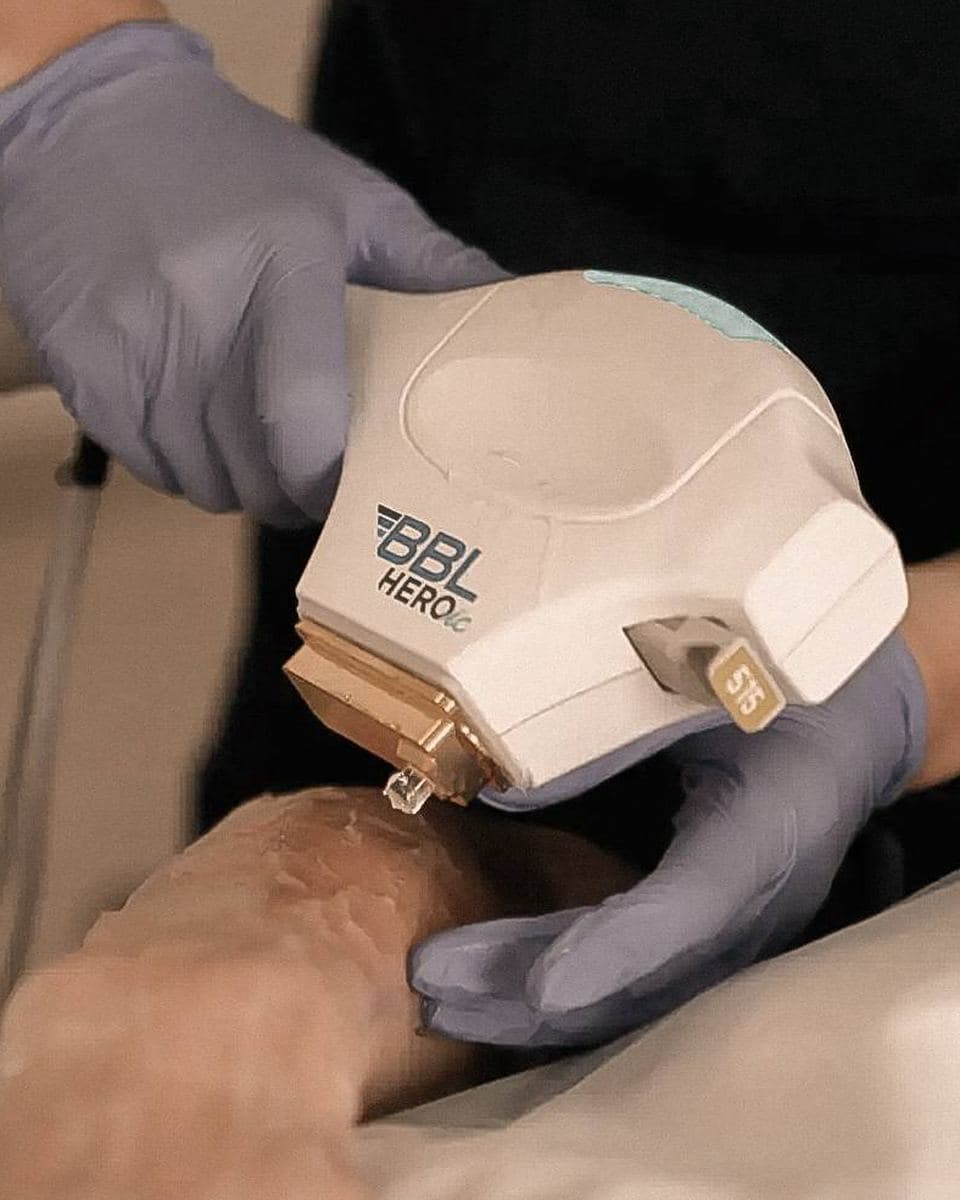
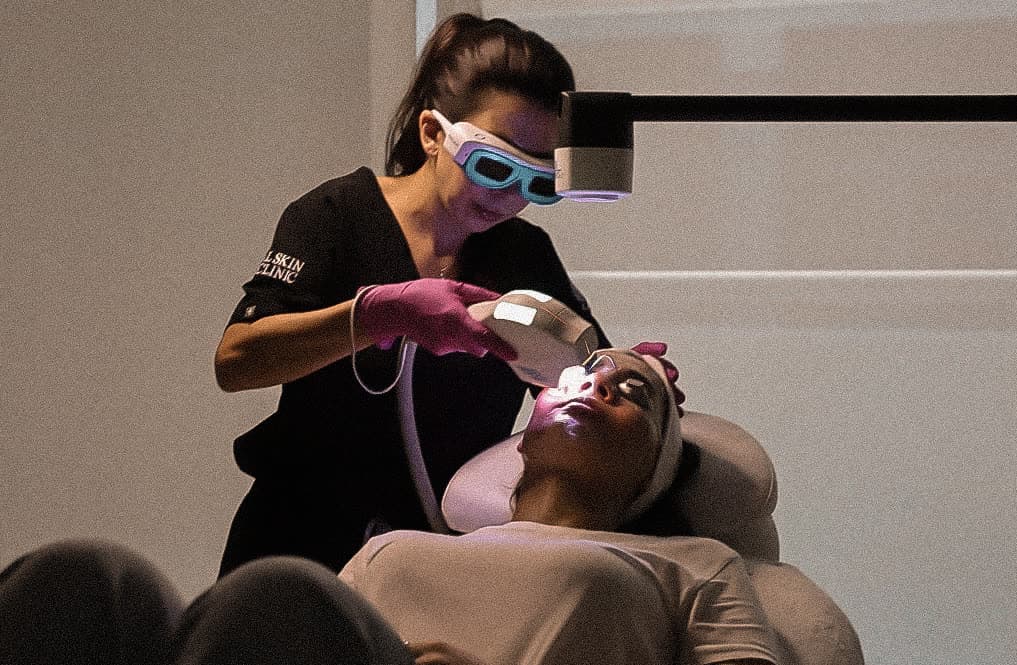
BBL® (BroadBand Light) is a light-based treatment. The Forever Clear™ protocol uses light energy that helps reduce acne bacteria activity, inflammation and redness. In particular, blue light acts on C. acnes, and other wavelengths target redness in the skin. The doctor sets the parameters for your skin type and the treated area.
Skin quality treatments: Novacutan, Plinest and Profhilo®
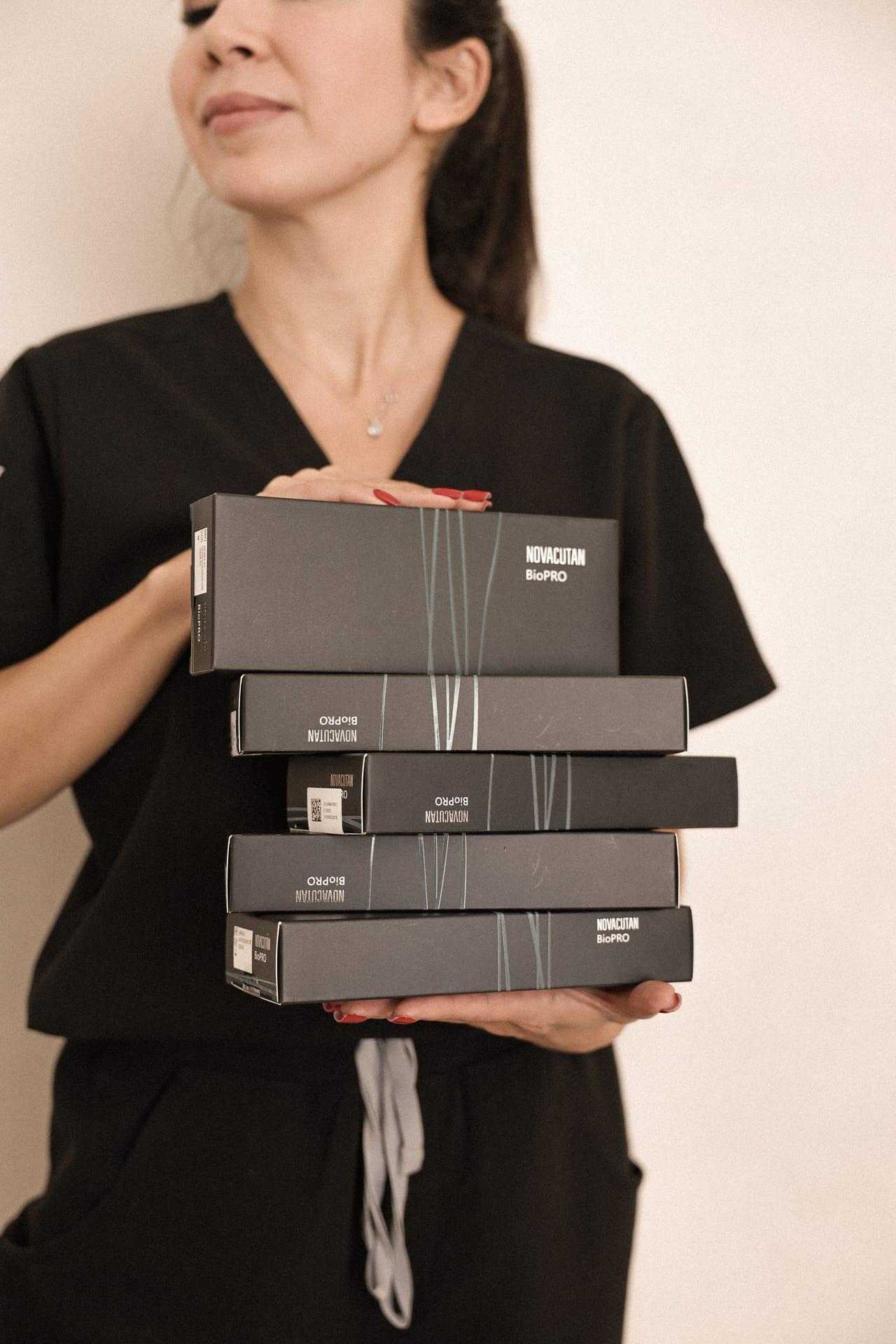
Once active inflammation is under control, the doctor may add treatments that support the skin. Biorevitalization with Novacutan restores hydration and improves skin resilience. Plinest (polynucleotides) supports regeneration and skin repair. Profhilo® improves skin quality, elasticity and density. These treatments do not replace acne therapy, and they are usually not injected into active, inflamed lesions.
Post-acne marks and scars
Post-inflammatory hyperpigmentation (dark marks) and scarring are common after body acne. For these, the doctor may discuss BBL HEROic, Morpheus8 or Heleo4 as part of the plan. True scars usually need a course of procedures.
Prescription and Over-the-Counter Acne Treatments
Dermatology association guidelines recommend combining treatments that act on different causes of acne.
Over the counter options
Mild body acne may improve with over the counter products. Benzoyl peroxide reduces C. acnes and can be used as a body wash that you leave on the skin for a few minutes before rinsing. It can bleach fabrics. Salicylic acid helps unclog pores and remove dead skin cells, and glycolic acid helps the skin shed dead skin more evenly. Chemical peels with these acids are another option dermatologists use for acne-prone areas.
Prescription treatments
Moderate and severe acne usually needs prescription treatments. The choice is always made by a doctor after examination. Options may include:
- topical retinoids, which normalise shedding inside the follicle and help prevent clogged pores;
- prescription-strength benzoyl peroxide, often combined with other topical treatments;
- oral antibiotics for inflamed acne, used for a limited time and together with topical treatment to reduce the risk of bacterial resistance;
- hormonal treatment in some women, when the doctor finds a hormonal pattern;
- isotretinoin for severe, scarring or treatment-resistant acne, which requires medical supervision, regular check-ups and strict pregnancy prevention in women.
Who Is a Candidate for Body Acne Treatment
Treatment may suit you if you have recurrent breakouts on the back, chest or shoulders, inflamed spots that do not respond to home care, or post-acne marks. Body acne can affect self esteem, and it is a valid medical reason to see a doctor.
When light treatment may not be suitable
The doctor will check for reasons to delay or avoid BBL® treatment. These may include:
- pregnancy;
- a recent tan or self-tanner on the area;
- medicines that make the skin sensitive to light;
- recent or current isotretinoin treatment (the doctor will advise how long to wait);
- active skin infection, open wounds or suspicious moles in the area;
- light-sensitive conditions or keloid scars;
- darker skin types, where light treatment needs extra caution and may not be the right choice.
How to Prepare
Avoid sun exposure and tanning on the treatment area for at least a few weeks before your session. Tell the doctor about all medicines you take. If you use retinoids or acids on the body, the doctor may ask you to pause them for a few days before light treatment.
What Happens During a Session
- The skin is cleansed, and protective eyewear is put on.
- A cool gel may be applied to the area.
- The doctor moves the BBL® handpiece across the back, chest or shoulders, delivering light pulses.
- You may feel warmth or a light snapping sensation.
- Afterwards the skin is soothed.
Aftercare and Daily Habits to Prevent Body Acne
Mild redness usually settles within a day or two. Avoid hot baths, saunas, intense sport and sun on the treated skin for a short period, as advised by the doctor. Do not pick at spots.
Daily habits will not cure acne, but they help prevent body acne flares:
- shower immediately after sport or heavy sweating;
- change into clean clothes and do not stay in sweaty clothes or wet workout gear;
- choose loose, breathable fabrics; tight synthetic fabrics trap heat and sweat;
- use pH balanced cleansers and avoid harsh cleansers and abrasive scrubs;
- choose oil free, non comedogenic lotions, sunscreens and body products;
- rinse conditioner and hair products off the back and shoulders;
- wash sports equipment straps and gym towels regularly;
- protect your skin from the sun, as sun exposure can darken post-acne marks.
Non comedogenic products are less likely to block pores and suit acne prone skin.
Possible Side Effects and Risks
After light treatment, temporary redness, warmth, mild swelling or darkening of existing marks are common. Less often, blistering, burns, crusting or changes in skin colour (lighter or darker patches) can occur, especially on tanned or darker skin. Matching the settings to your skin type lowers these risks.
Prescription medications have their own side effects, such as dryness, irritation or sun sensitivity, and the doctor will explain them before you start.
How Many Sessions and When to Expect Results
Body acne is a chronic condition, so treatment is a course, not a single visit. The number of BBL® sessions and the interval between them depend on your skin and are set by the doctor at consultation.
Most topical acne treatments take about six to eight weeks to show a clear effect, and full results often take longer. Some patients need maintenance treatment to keep clearer skin. Results vary from person to person.
BBL® Acne Clear
reduces bacteria activity, inflammation and redness
Biorevitalization (Novacutan)
restores hydration and improves skin resilience
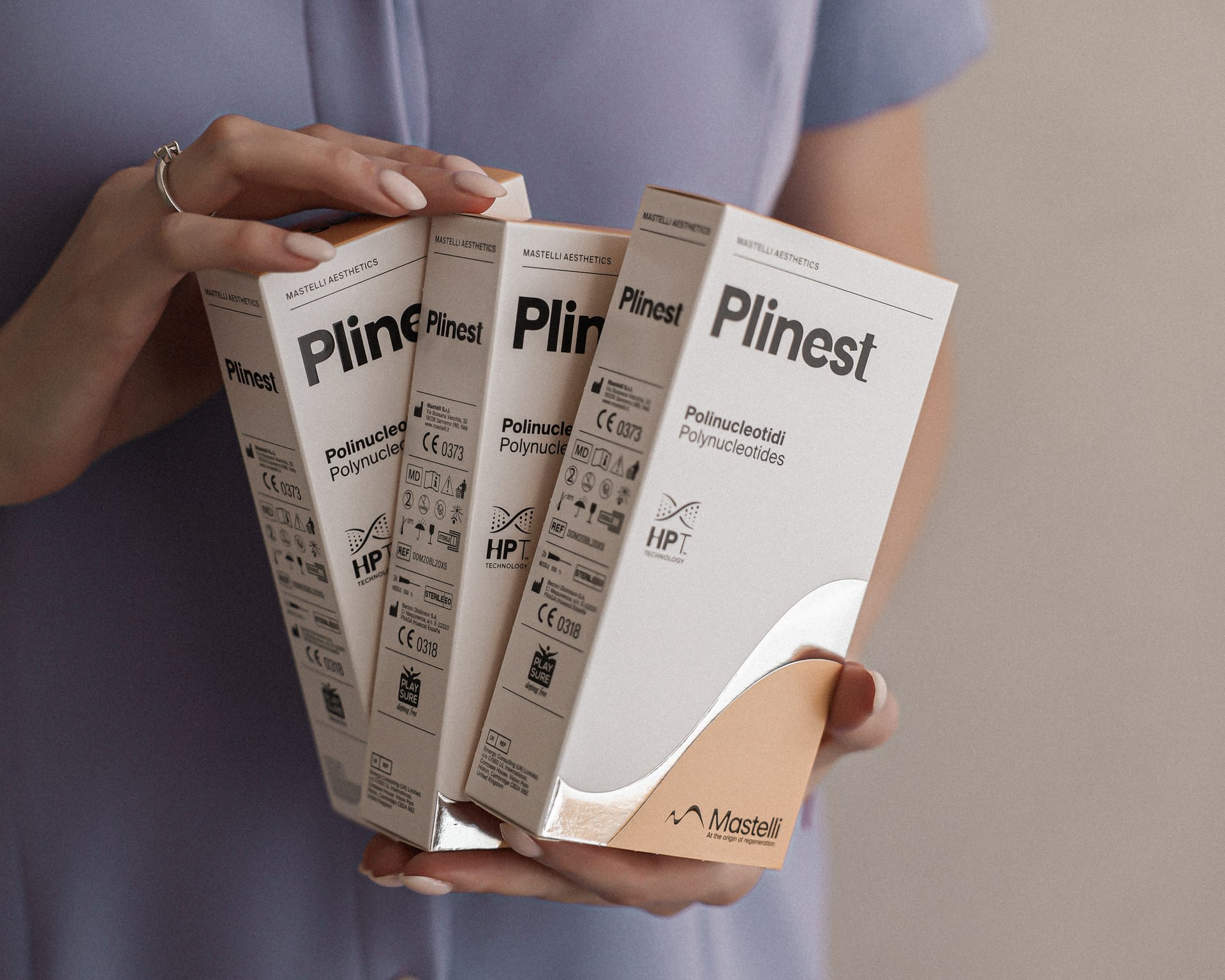
Plinest (polynucleotides)
accelerates regeneration and skin repair
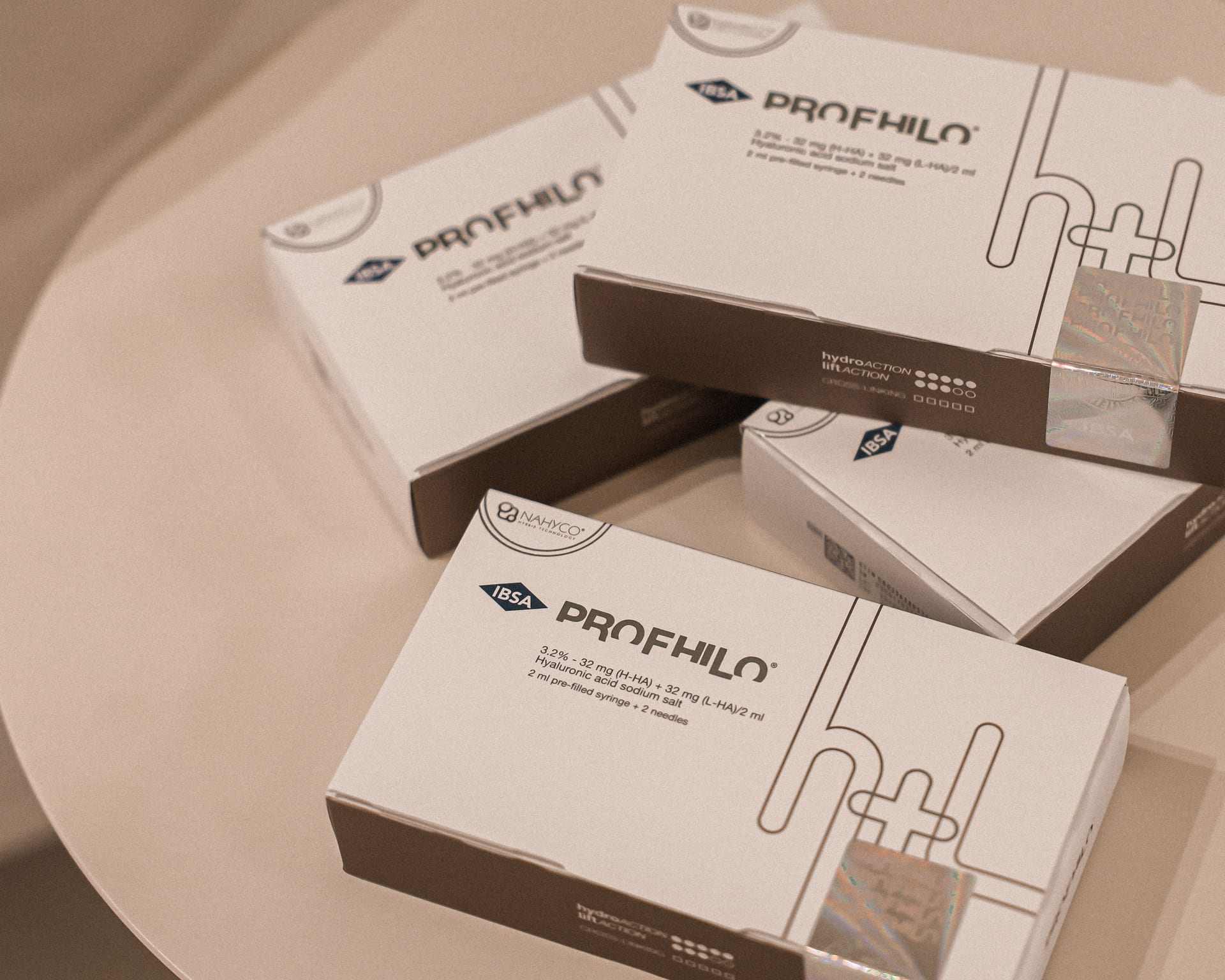
Profhilo®
enhances skin quality, elasticity and density
Treatments we use for Body Acne
Conditions we treat
We provide treatment for:
"I’ve been coming to Perl Skin for years, and for the past six months, I’ve been in Dr. Alina’s care. I’m so happy I found her. She truly has golden hands! ❤️ Dr. Alina takes such good care of my skin and put together an at-home skincare routine that really works for me. I see her once a month for acne treatments, and the results have been amazing. My skin looks better every month, and I’m so happy to see the difference. Another discovery at Perl Skin was laser hair removal. I’d had it done many times before, and I always dreaded it because it hurt. The machine they use here feels like magic! I was so impressed with the results, and for me, the treatment was completely painless. Thank you, Dr. Alina, for taking such wonderful care of my skin! 🤍"

"I had a really great experience with the PearlSkin Polyclinic. The atmosphere is very comfortable, and everything feels calm and professional. I would especially like to thank Dr. Alina. She is very delicate in her work, attentive to details and truly professional. At the same time, she is very easy to talk to which makes you feel relaxed and confident throughout the whole process. The staff are also wonderful — very polite, helpful and friendly. They create such a positive and welcoming environment. I really appreciate this approach , both to the work and to people. I’m glad visiting this place and can definitely recommend it."

"I’ve had such a lovely experience at Pearl Skin Polyclinic. Dr. Alina is so kind, professional, and really takes the time to understand your skin instead of rushing into treatments. I felt comfortable from the first appointment, and my skin is already looking and feeling so much better. The clinic is beautiful, clean, and everyone is really welcoming. Definitely recommend! 🤍"

"Being impressed by Pearl Polyclinic -place for your skin to enjoy, place for your skin to trust ✨️ Firstly, its starts with communication and appointments process. Girls are always fast responding and ready to assist with full required information, rebookings , inquiries, which makes communication very easy and smooth, and they are also super welcoming as soon as you enter the clinic. Moreover, you are not just coming there for skincare procedures, but for your own customized beauty protocol. After your skin will be assessed by qualified aestheticians, you will prescribed only those treatments and skincare routine which YOU personally need. Heads up to Doctor Alina who will be your very best person to achieve your dream skin 🙌🏻 And last but not the least - they have amazing coffee by the way ☕️🤫"

"absolutely love this place! i’ve been coming here for endospheres and always have a great experience. the therapists are amazing, super professional and attentive. the service is excellent, the interior is beautiful and stylish, and the location is really convenient. always a pleasure coming back❤️"

Book a Consultation
If you are tired of breakouts on your back, chest or shoulders, book a consultation with our DHA-licensed dermatologist in Umm Al Sheif, Dubai. You will get a diagnosis and a personalised plan. See our pricing for current rates.
Frequently Asked Questions
The causes are the same, but back skin is thicker and under constant friction, so body acne often needs longer treatment and products suited to large areas.
Mild back acne may improve with a benzoyl peroxide or salicylic acid body wash and gentle care. If spots are deep, painful, leave marks or do not improve after about two to three months, see a dermatologist.
Yes, some itchy, uniform bumps on the back and chest are Malassezia folliculitis, not acne. It needs antifungal treatment, which is why a diagnosis comes first.
Most patients describe warmth or a quick snapping feeling. The doctor adjusts the settings to keep you comfortable.
Yes. Post-acne pigmentation is part of the plan, and preventing new breakouts is the best way to stop new marks from forming.